Where a panel can go on your home
Your roof, wall or garden, read against the rules.
Read moreLegal in Great Britain since 27 August 2026. Send us a postcode and we will tell you what the rules allow there.
Plug-in Solar Britain / Fitting quote
A socket outside has to be a weatherproof one, fitted by an electrician. Tell us the postcode and we'll get you a quote from someone local who's read the new rules.
The interim product specification, version 2.0 of July 2026, and the government response to the consultation. Both read 13 September 2026.
The specification these are approved against covers products meant to be installed and run by ordinary people. A one component device turns up with its inverter on board and the direct current side already made up. Buy a two component kit and the panel to inverter join is yours to make. None of that touches the fixed wiring of the house.
The other half of the line is drawn just as clearly. Testing or altering fixed wiring belongs to a qualified electrician, and so does anything that alters the final circuit, the overcurrent protection device included. If a socket looks doubtful to you, the instructions tell you to have it inspected before you use it.
Old houses and old wiring were the thing consultation responses kept coming back to. A great deal of British housing was wired a long time ago, so it is worth ten minutes of somebody qualified rather than an assumption.
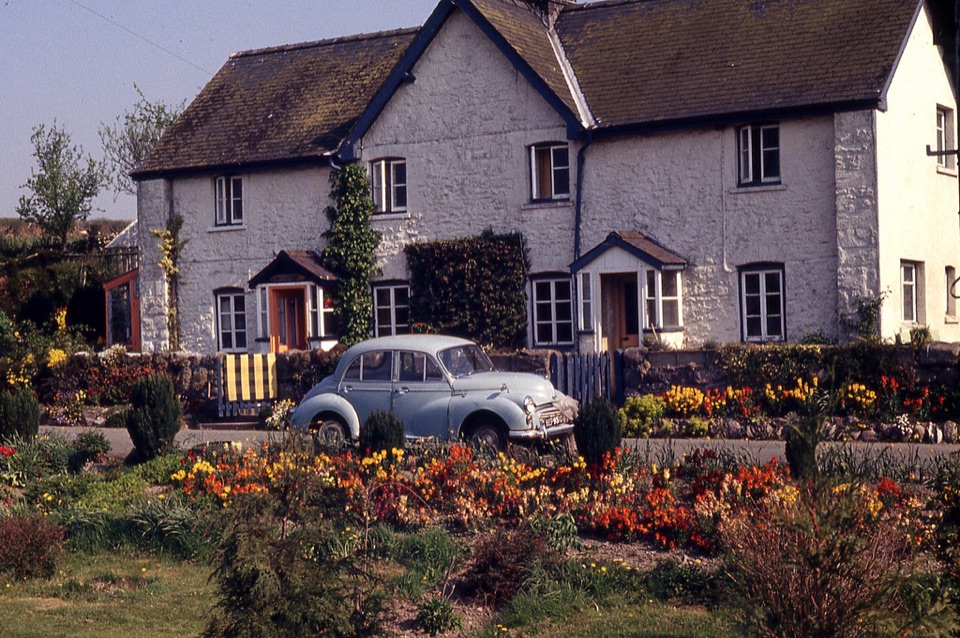
A whitewashed cottage in Powys, mid Wales. On a wall like this the question is where a socket can go and what circuit is behind it, not what the render looks like.
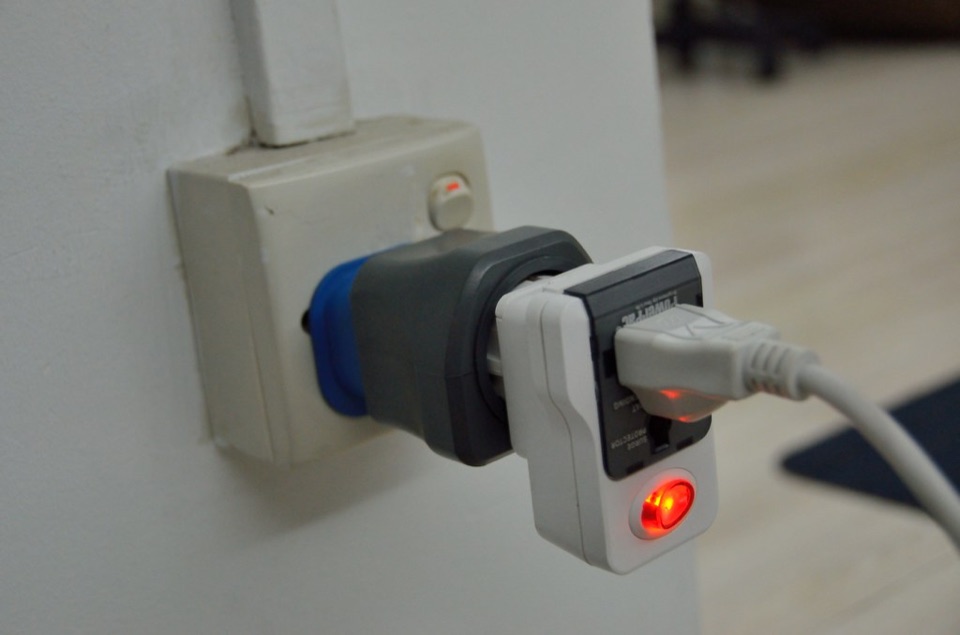
Inverter, plug and socket may all live indoors or all live outdoors. Outdoors, the socket has to be rated IP55 or higher. That is the job we hand to a local electrician: a weatherproof socket where you want it, on a circuit with room for it.
Cable running from outdoors into the house has to use the connectors the maker supplies, routed the way the maker says. Both of those come in the box on a proper kit, so check for them before you pay.
Extension cables, multi-way adaptors, residual current device adaptors and travel adaptors are all ruled out, and the specification says so twice over. A panel in a garden is exactly where a household reaches for one, which is the reason the socket comes before the panel.
Give us the postcode and a rough idea of where the panel would stand. We find an electrician near you who has read the 2026 rules, and they price the socket work and bill you for it. We add nothing to it and take nothing out of it.
You will not find a price anywhere on this site. Kit prices move and socket work is different in every house, so a figure on a web page would be out of date before you got to it.
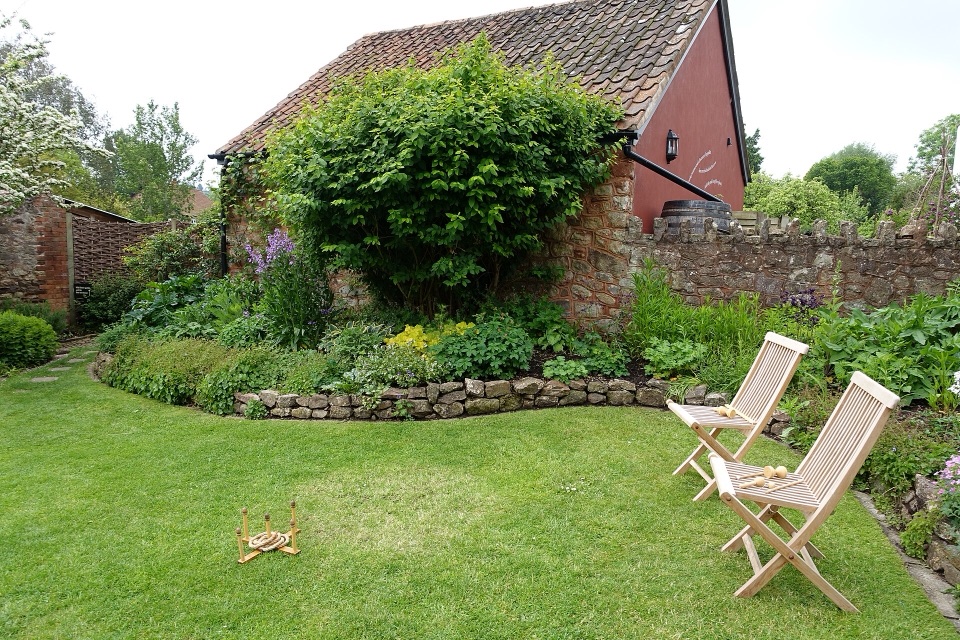
A walled garden behind a house in Somerset. The run between socket and panel is what decides where the socket goes, and it has to be one lead from the maker rather than anything joined together.
The device can stand outside with its plug and socket indoors, and the maker has to give you connectors and routing instructions for cable coming in. The one thing ruled out is closing the gap with an extension lead.
You do, straight to them. We make the introduction and stay out of the money.
No. Use your own if you have one. Hand them the device instructions and ask for a socket rated IP55 or better on a circuit with room for it.
Send us the postcode and tell us what the surface is made of. We reply by email.
Start with my postcodePostcode and where you'd put it. We'll check the rules for you.
Name, email, postcode, and where you'd put the panel. We reply with whether the rules cover that spot, what it would generate there, and what happens next.
We reply by email. Nothing is sold on and no manufacturer pays us.