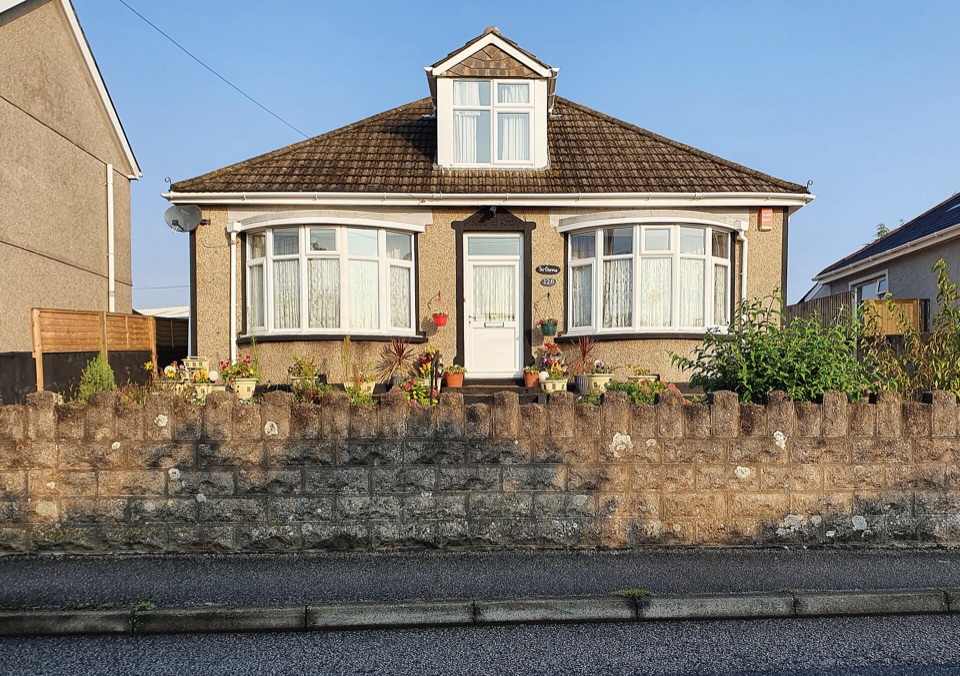
Where a panel can go on your home
Your roof, wall or garden, read against the rules.
Read moreLegal in Great Britain since 27 August 2026. Send us a postcode and we will tell you what the rules allow there.
Plug-in Solar Britain / The law
What changed, what it allows, and what it doesn't. Every line here comes from the regulations themselves or the government's own documents.
SI 2026/848, made 16 July 2026 and in force on 27 August. The interim product specification, version 2.0 of July 2026. Both read 13 September 2026.
Two sets of rules were amended by one instrument, SI 2026/848, made on 16 July 2026 and in force on 27 August. It lets a notified body approve a standard plug for a plug-in microgenerator, and it writes a definition of that device into the electricity safety regulations: one that generates electricity from sunlight, with a maximum rated alternating current output of 800 watts.
From that day a compliant device may be sold, supplied and plugged into an ordinary socket in England, Scotland and Wales.
The plug and socket standard did not allow a plug to be used to connect equipment that generates electricity, and the electricity safety regulations required compliance with the general British Standard requirements. Between them those two things meant the products could not lawfully be sold, supplied or used here. The government said so in its own consultation.
The regulations point at a document rather than repeating the detail: the Plug-in Solar Device Interim Product Specification. Version 2.0, July 2026, is the one that counts. Version 1.0 is stamped withdrawn on every page.
Rated alternating current output of 800 watts is how the regulations draw the line. Apparent power of 800 VA is how the specification draws it. Neither is wrong and they measure different things, so a listing carrying one figure has told you half.
England rewrote its permitted development right for solar equipment on 27 August 2026 as well, by SI 2026/896. Planning law now has its own definition of plug-in solar, and it turns entirely on how the thing connects: solar photovoltaics intended for connection to the home’s electricity installation by means of a standard plug and socket. It carries no wattage limit at all, so a device can sit outside the 800 VA product class and still be plug-in solar as far as planning is concerned.
The order also excludes plug-in solar from the right where it would be installed on a wooden wall, balcony or enclosure, or on any part of the exterior clad in timber.

A stucco terrace in Leamington Spa, England. In a conservation area the restriction on a wall that fronts a highway applies to all solar equipment, not only to plug-in.
The product rules and the connection rules are the same across Great Britain. Planning is not, and this is where most of the confusion comes from.
We do not carry England’s answer across the border. Where a Scottish or Welsh case turns on it, the planning authority is the one to ask.
The product side of SI 2026/848 extends to the whole United Kingdom. The electricity safety side does not: it extends to England and Wales and Scotland only. The specification says application to Northern Ireland is subject to further consideration, and the government’s impact assessment says plug-in solar would only be legally permitted for use there if the Northern Ireland electricity safety regulations are also reformed, which is a matter for the Northern Ireland Executive. We work in Great Britain and we will say so if your address is not in it.
In England, for now. Twelve months of transition run from the change to 27 August 2027, and inside that window either version of the rules is open to you.
It makes it a planning conversation rather than a shopping one. You need permission and listed building consent, and the right is unavailable in the grounds of a listed building or on a scheduled monument. Ask the authority early.
They sit in product safety and electricity safety law rather than with your network operator. What you can check yourself is whether the device has a record on the ENA Type Test Register, because a manufacturer has to register it before sale.
Your roof, wall or garden, read against the rules.
Read more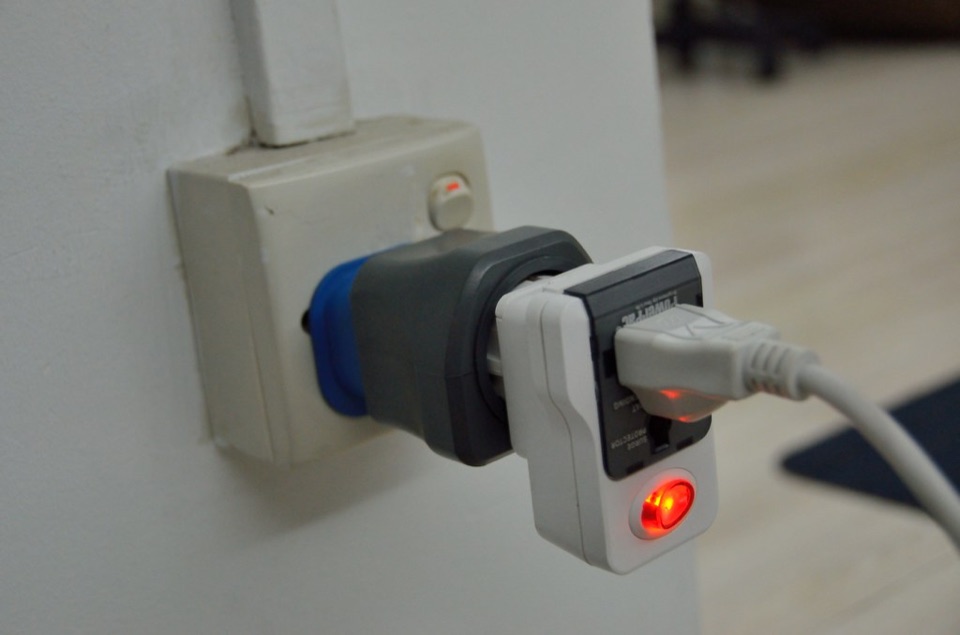
One per home, 800 VA, no storage.
Read more
From an electrician near you, priced by them.
Read more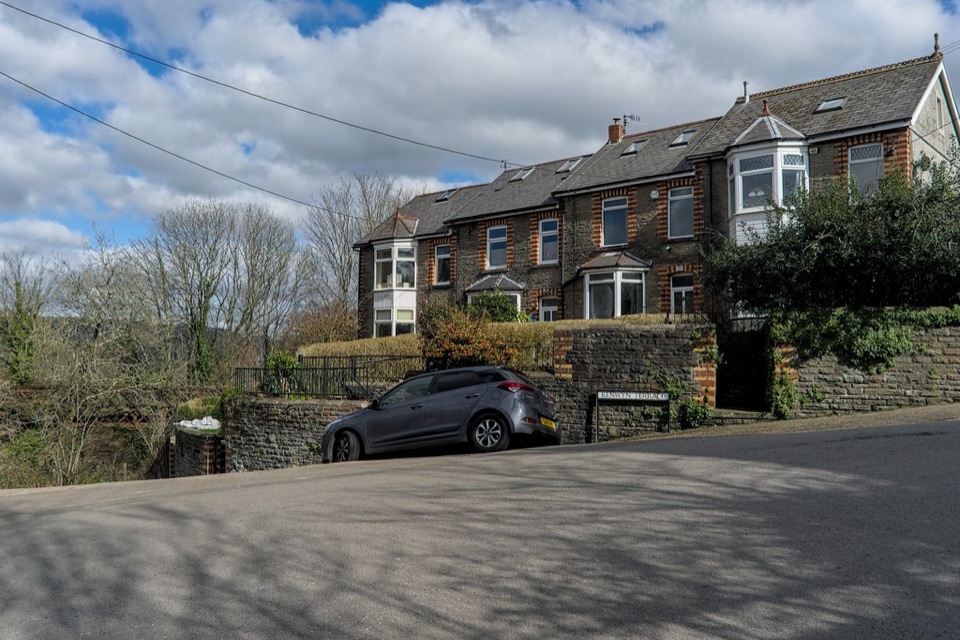
We work out who to tell, then we tell them.
Read moreSend us the postcode and tell us what the surface is made of. We reply by email.
Start with my postcodePostcode and where you'd put it. We'll check the rules for you.
Name, email, postcode, and where you'd put the panel. We reply with whether the rules cover that spot, what it would generate there, and what happens next.
We reply by email. Nothing is sold on and no manufacturer pays us.