Where a panel can go on your home
What the wall is made of decides whether the planning rules reach a panel at all. Nobody prices anything until that is settled.
Read moreLegal in Great Britain since 27 August 2026. Send us a postcode and we will tell you what the rules allow there.
Plug-in solar has been legal in Great Britain since 27 August 2026. We check where a panel can go on your home, supply one that's on the official register, arrange an electrician if you need a socket outside, and do the network paperwork with you. Start with your postcode.
628 to 897 kWh a yearFrom one 800 watt device on a south facing roof pitch, Inverness at the bottom and Brighton at the top. Modelled in PVGIS on 13 September 2026.
Name, email, postcode, and where you'd put the panel. We reply with whether the rules cover that spot, what it would generate there, and what happens next.
We reply by email. Nothing is sold on and no manufacturer pays us.
Two sets of regulations were amended in July 2026 and came into force on 27 August. Together they let a solar device be plugged into an ordinary socket, as long as it meets the government’s interim product specification. Before that day these could not lawfully be sold, supplied or used here at all.
SI 2026/848, made 16 July 2026, in force 27 August 2026. Plug-in Solar Device Interim Product Specification, version 2.0, July 2026. Both read 13 September 2026. What the regulations changed
Pick the four answers that match your home. We show you which rules apply to it and where each one comes from. Nothing is sent to us.
Three rules apply to every home in Great Britain, whatever you answer. One device per household. No battery with it. A short form to your network operator within 28 days of fitting it.G98 Issue 2 Amendment 1, and the interim product specification, version 2.0
The rules quoted here are England’s unless the answer says otherwise. Scotland and Wales each have their own permitted development rules, and neither mentions plug-in solar by name. This is a guide to what applies, not advice on a planning application.
Four things, in the order they happen to you. A postcode is all we need to start on your own address.
What the wall is made of decides whether the planning rules reach a panel at all. Nobody prices anything until that is settled.
Read more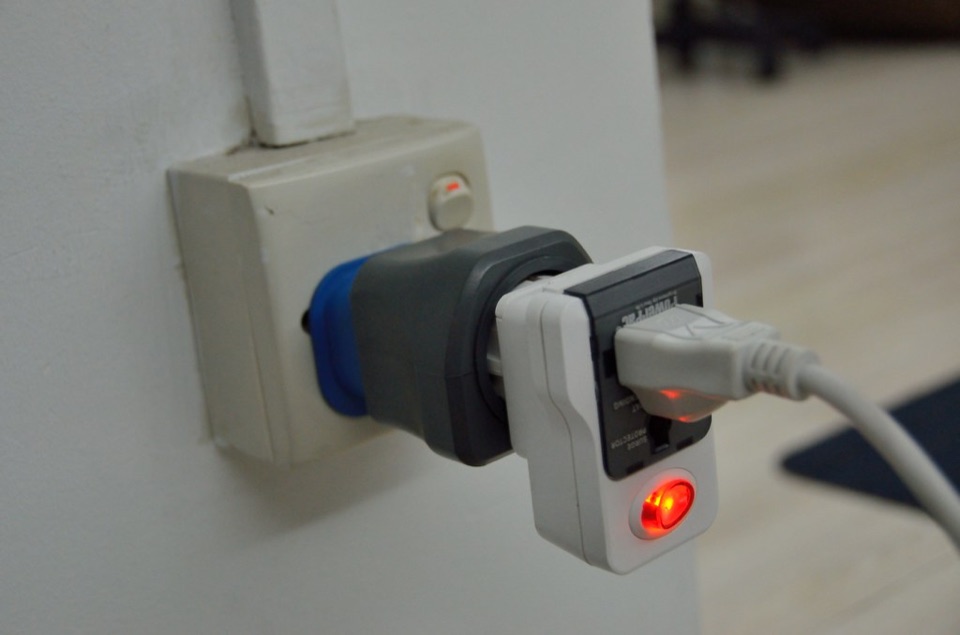
One per home, 800 VA as the ceiling, no storage, and a record on the ENA register that you can search yourself.
Read more
You can plug it in yourself. If the socket has to go outside, a local electrician quotes you for that work directly.
Read more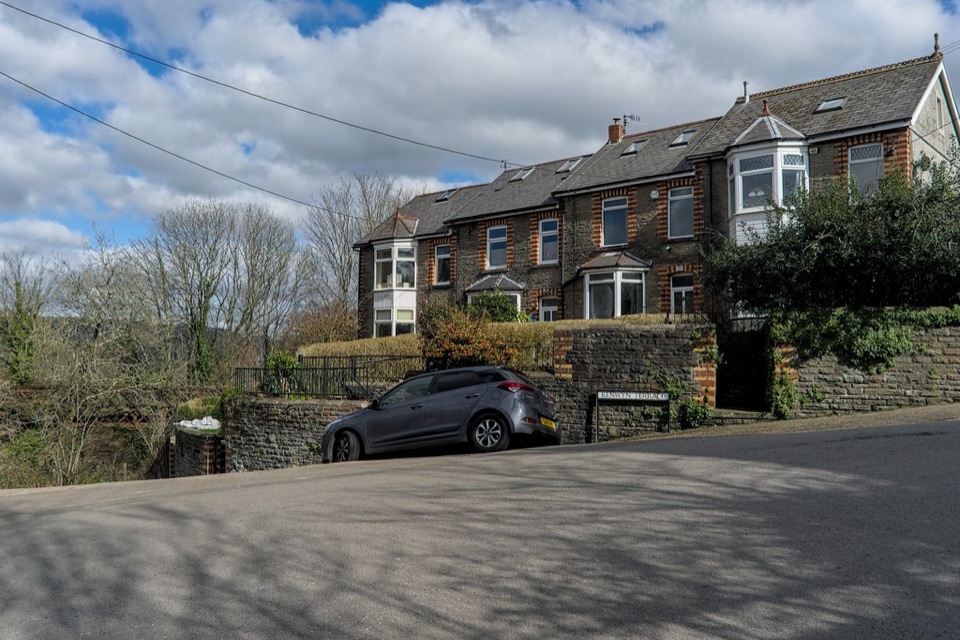
Whoever owns the cables in your street wants a short form inside 28 days. We find out who that is, then sit down and do it with you.
Read moreWorth reading before you buy a balcony kit
On the same day the devices became legal, the planning rules for solar equipment in England were rewritten. The new order does not cover plug-in solar installed on a wooden wall, balcony or enclosure, or anywhere the outside of the building is clad in timber. Houses and blocks of flats alike.
Go shopping and you will find these sold as balcony kits by nearly everybody. Where the balcony or the wall behind it is wooden, the permitted development right is not the thing you would be leaning on, and an application often costs more than the panel. Fire safety is the reason the government gives. It set out to keep these off combustible cladding and off buildings under remediation.
Twelve months of transition run to 27 August 2027, and inside that window either version of the English rules is open to you. Scotland and Wales have their own permitted development rules and neither of them carries a timber exclusion or mentions plug-in solar at all, so we ask your planning authority rather than applying England’s answer to a Scottish or Welsh house.
SI 2026/896, article 2, and the final stage impact assessment, paragraph 18. Scottish Planning Circular 1/2024 and the Welsh Government guidance on solar panels. All read 13 September 2026.
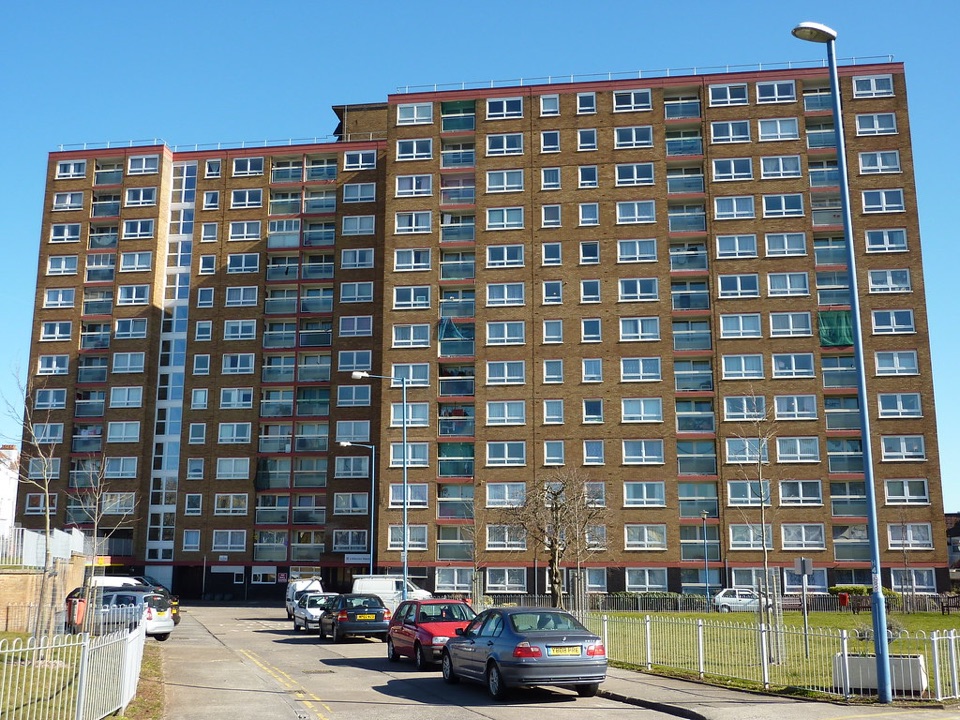
Balconies on a block of flats in Bristol. What matters is the balustrade and the wall behind it: metal and glass on masonry are a different answer from timber.
The same 800 watt device, modelled at one point in each part of Great Britain. Read across a row rather than down a column.
| Where | Modelled at | Roof pitch 35 deg south | Frame on ground 30 deg south | South wall upright | East wall upright |
|---|---|---|---|---|---|
| South East | Brighton | 897 | 890 | 645 | 424 |
| South West | Exeter | 822 | 816 | 594 | 417 |
| East of England | Norwich | 802 | 795 | 594 | 412 |
| Wales | Cardiff | 798 | 792 | 575 | 385 |
| London | London | 795 | 789 | 582 | 409 |
| East Midlands | Nottingham | 760 | 754 | 564 | 391 |
| West Midlands | Birmingham | 752 | 746 | 555 | 389 |
| Yorkshire | Leeds | 736 | 729 | 550 | 376 |
| North East | Newcastle | 734 | 727 | 558 | 372 |
| North West | Manchester | 689 | 684 | 505 | 359 |
| Scotland, south | Glasgow | 661 | 656 | 491 | 337 |
| Scotland, north | Inverness | 628 | 623 | 470 | 321 |
These four are all modelled at the same point in London, so the only thing changing is what the panel is fixed to and which way it faces.
Best to worst across the whole table is 897 kWh at Brighton against 628 at Inverness, a spread of about 43 per cent. An east facing wall loses about half. A frame on open ground stays within about one per cent of the roof figure everywhere in the table, which makes the garden the best realistic spot for most homes. Generation is not the same as saving. What you keep is whatever you happen to be running while the sun is on the panel, and no battery is allowed to hold the remainder.
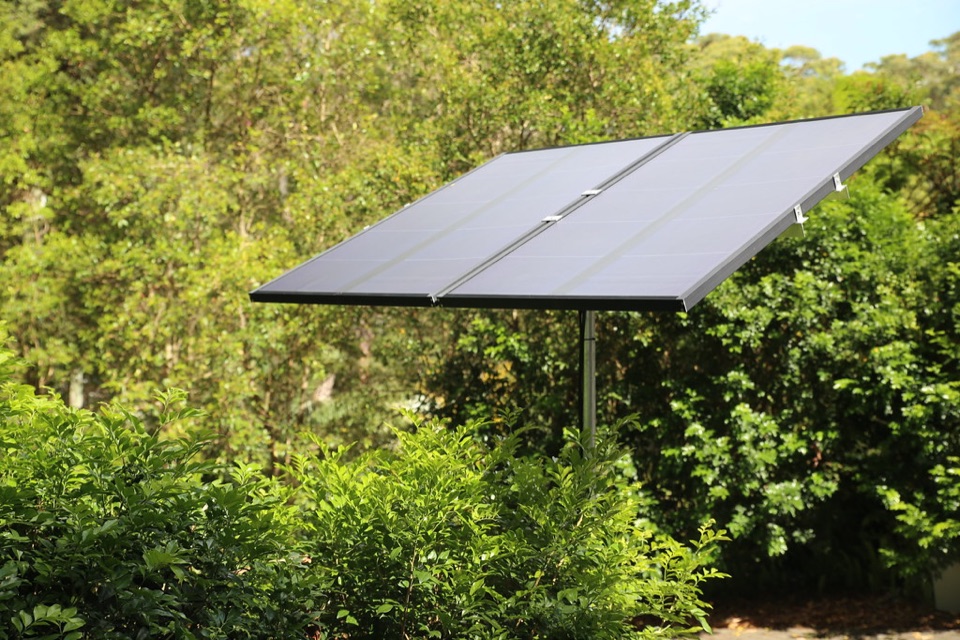
A panel on a frame, standing in open ground. At 30 degrees facing south it comes within one per cent of an ideal roof pitch, and the timber rule does not touch it.
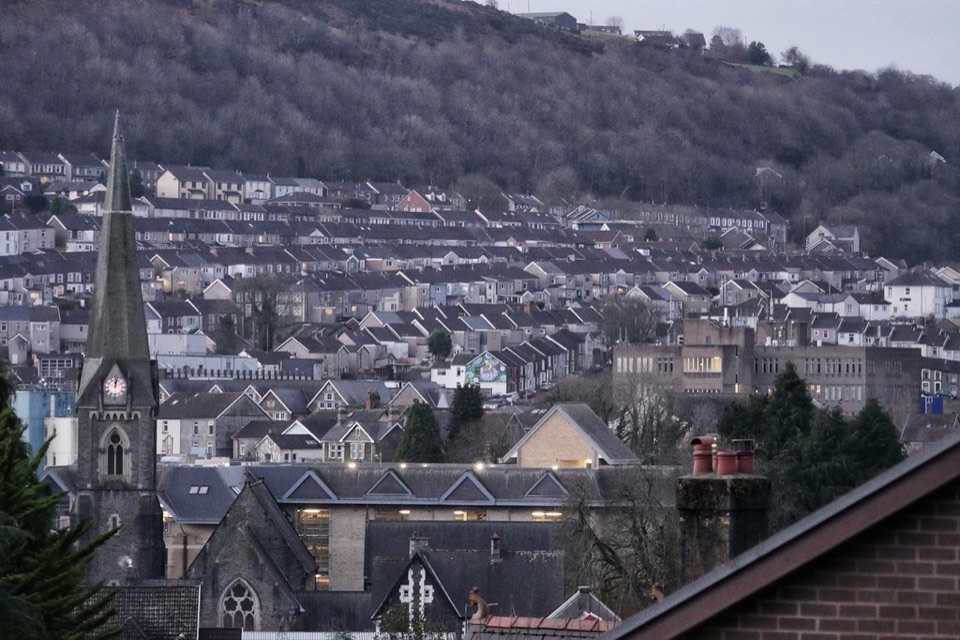
Terraces climbing the valley side in south Wales. A modelled figure assumes nothing between the panel and the sky, so a hill, a chimney or the house opposite all take a bite out of it.
Every limit below is in the government’s interim product specification or in the connection rules it points at. A kit that misses one of them is not in the approved class, whatever the listing says.
Apparent power, measured at the plug.
At up to 253 volts and 50 hertz.
The connection rules, not the product rules, set this.
And no more than two in series in any one string.
Above 960 W the specification asks for a professional assessment.
Storage was left out, on its own and built in.
Or better, where the plug and socket are outside.
A short online form with your name, email and address.
One more test sits above all of these, and it is the first one we would run. Nothing may be sold until its maker has had the type tested, entered it on the ENA Type Test Register and been told in writing that it passed. That register is public and searchable. A kit missing from it has never been assessed. Interim product specification version 2.0 of July 2026, and the register itself, both read 13 September 2026. What that means when you buy one
Great Britain is split into fourteen distribution licence areas, and each one has a company that runs the wires in the street. After the panel is fitted, that company is asked for a short online form inside 28 days: a name, an email address and the address it went in at.
Our map of those fourteen areas is a working one, so we name the company that looks like yours and then go and confirm it. One route skips the map altogether. Dial 105. It costs nothing, it works from anywhere in England, Scotland and Wales, and it hands you straight to whoever owns the cables where you live.
Two companies cover Scotland, two share the North West and two share the South East, so the answer is not always the obvious one. It is worth getting right: registering the device is also what opens the door to an export tariff where one is going.
Ofgem on the G98 change, 11 August 2026. The final stage impact assessment on the registration process and on export tariffs. Both read 13 September 2026. How we do the form with you

Rooftops in Edinburgh, with the Firth of Forth behind. Scotland is covered by two network operators, so the address decides which one you tell.
Not in England where the balcony, its enclosure or the wall behind it is wooden, and not where the outside of the building is clad in timber. That rule arrived on 27 August 2026. A metal or glass balustrade on a masonry building lands somewhere else, so tell us what yours is made of and we will look it up.
Usually not, though it is conditional rather than automatic. These lean on the permitted development right for small scale solar, and that right has conditions attached. Satisfy them and nothing gets applied for. Miss one and something does, at a cost the government itself expects to run past the price of the kit. Which of the two you are in is what we settle before you spend anything.
One per home. The product specification would stretch to one per final ring circuit and then steps aside for the connection rules, and Engineering Recommendation G98 Issue 2 Amendment 1 stops at one.
No. Storage never came into the approved class, on its own or built into a device. Consultation responses said that would cut the payback, the government noted it, and the exclusion stayed where it was.
Because we have none we would defend. Kit prices move about and socket work differs in every house. Better to look at yours and give you a figure that means something than to post a number that is out of date by the time you read it.
Give us the postcode and say what the panel would be fixed to. Back comes the rule that covers it, the yearly figure for that mounting, and what getting it in would involve. Where the answer is no, the email says no.
Start with my postcode